
Custom Home Building Process: A Clear Guide to Your Dream Home
- Jose L Salcedo
- Apr 3
- 4 min read

Building a custom home is an exciting journey. It’s a chance to create a space that fits your lifestyle perfectly. But it can also feel overwhelming if you don’t know what to expect. That’s why I want to walk you through the custom home building process step by step. This way, you’ll have a clear picture of what happens from the first idea to moving day.
Understanding the Custom Home Building Process
When you decide to build a custom home, you’re starting a process that involves many stages. Each one is important and builds on the last. Here’s a simple breakdown:
Planning and Design
Permits and Approvals
Site Preparation and Foundation
Framing and Exterior Work
Interior Work and Finishing Touches
Final Inspections and Move-In
Let’s explore each stage in more detail.
Planning and Design
This is where your dream begins. You’ll work with architects or designers to create plans that match your vision. Think about the number of bedrooms, the style of the kitchen, and how you want your outdoor space. It’s important to be clear about your needs and budget here.
During this phase, you’ll also choose materials and finishes. This can include flooring, countertops, and paint colors. The more decisions you make early on, the smoother the rest of the process will be.
Tip: Keep a folder or digital file with all your ideas and inspiration. It helps keep everyone on the same page.

Permits and Approvals
Before any construction can start, you need the right permits. This step ensures your home meets local building codes and regulations. It can take some time, depending on your town or city.
Working with a builder who knows the local rules can speed this up. They can help submit the paperwork and communicate with officials. Don’t rush this step. Proper permits protect you and your investment.
Site Preparation and Foundation
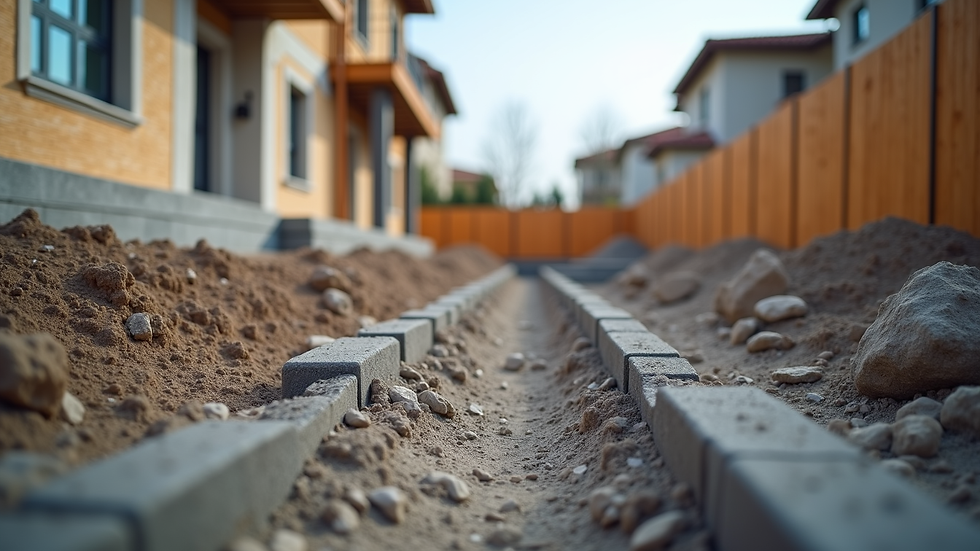
Once permits are in place, the land is prepared. This means clearing trees, leveling the ground, and setting up utilities like water and electricity. Then, the foundation is poured. This is the base of your home and must be done carefully.
The foundation type depends on your location and soil. Common options include slab, crawl space, or basement foundations. This stage usually takes a few weeks.

Framing and Exterior Work
With the foundation ready, the framing begins. This is when the skeleton of your home takes shape. Walls, floors, and roof structures go up. You’ll start to see the outline of your future home.
After framing, the exterior work follows. This includes installing windows, doors, siding, and roofing. These steps protect your home from weather and start to give it character.
Interior Work and Finishing Touches
Inside the home, many tradespeople work together. Electricians, plumbers, and HVAC specialists install systems. Then, drywall goes up, and painting begins. Flooring, cabinets, and fixtures are added last.
This phase is where your home really starts to feel like yours. You’ll see your choices come to life. It’s also a good time to stay in close contact with your builder to address any questions or changes.
Final Inspections and Move-In
Before you can move in, your home must pass final inspections. These checks ensure everything is safe and built to code. Once approved, you’ll get the keys to your new home.
Moving day is a big milestone. It’s the moment your vision becomes reality. After moving in, there may be small touch-ups or adjustments, but your custom home is ready to enjoy.
Tips for a Smooth Custom Home Building Experience
Building a home is a big project, but you can make it easier with some simple steps:
Communicate Often: Stay in touch with your builder and ask questions. Clear communication prevents surprises.
Be Flexible: Some delays or changes are normal. Being patient helps keep stress low.
Keep Records: Save contracts, receipts, and plans. They’re useful if questions come up later.
Visit the Site: Regular visits help you see progress and catch issues early.
Plan for Extras: Set aside a budget for unexpected costs or upgrades.
Why Timing Matters in Your Custom Home Journey
Understanding the timeline helps you plan your life around the build. For example, if you need to sell your current home or arrange temporary housing, knowing when each phase happens is key.
Every project is different, but a typical custom home build can take anywhere from 6 to 12 months. Weather, material availability, and design complexity all affect timing.
If you want a detailed look at the stages and how long each takes, check out this custom home building timeline. It’s a helpful resource to keep you informed.
Building Your Dream Home in Connecticut
Building a custom home in Connecticut means considering local factors like climate and building codes. Winters can be cold, so insulation and heating systems are important. Also, many towns have specific rules about home size and style.
Choosing a builder familiar with Connecticut’s requirements makes a big difference. They can guide you through permits and suggest materials that work well in the region.
At Salfa House LLC, we focus on creating homes that fit the unique needs of homeowners here. We also believe in building strong relationships and supporting our community throughout the process.
Moving Forward with Confidence
Starting a custom home build is a big step, but knowing the process helps you feel confident. From planning to move-in, each phase has its own challenges and rewards.
Remember, your home is more than just a building. It’s where memories will be made. Taking the time to understand the process ensures your new home will be everything you hoped for.
If you’re ready to begin your journey, take the first step by gathering ideas and talking to professionals. The path to your dream home is waiting.
If you want to learn more about the stages and timing, visit the custom home building timeline page for a detailed guide.


Comments